Tobira vs An Integrated Approach to Intermediate Japanese: Which N3 Textbook Wins?
Two acclaimed intermediate textbooks battle for supremacy. We compare teaching philosophy, difficulty progression, cultural content, and grammar coverage to help you choose the right bridge from beginner to advanced Japanese.

Head-to-Head Comparison
Detailed comparison across key criteria to help you make an informed decision.
| Criteria | Book 1 | Book 2 |
|---|---|---|
| Price | $52.99 | $48.50 |
| Page Count | 448 pages | 384 pages |
| Target Level | N3 to N2 bridge, upper-intermediate | Solid N3, intermediate-advanced |
| Cultural Content | Extensive cultural chapters with authentic materials | Cultural notes integrated into lessons |
| Grammar Coverage | 140+ patterns with functional focus | 120+ patterns with academic emphasis |
| Approach | Theme-based units focused on real-world topics | Structured lessons with academic rigor |
| Difficulty Curve | Steep initial jump, then steady progression | Gradual, methodical difficulty increase |
| Best For | Motivated self-studiers, immersion-ready learners | Academic settings, systematic learners |
How to Decide Between These Books
Use this comparison as a buying decision, not just a feature list. Start with your next four to eight weeks of study: the better book is the one that fits your JLPT level, weak skill, available study time, and need for explanations or practice.
Match the study job
Tobira: Gateway to Advanced Japanese should win when its strengths match the thing blocking your score now. An Integrated Approach to Intermediate Japanese should win when it removes more friction from your daily study routine.
Trust the scenario fit
The best-for scenarios below are more important than a universal winner. A book that is excellent for classroom drills may be the wrong purchase if you need self-study explanations, audio support, or fast review before a test date.
Plan the follow-through
After choosing, schedule chapters, drills, or test sets for the first month and review every mistake. The book only helps if it changes recall, reading speed, listening accuracy, or confidence under timed JLPT conditions.
Decision Factors from the Comparison Table
Price
- Tobira: Gateway to Advanced Japanese: $52.99
- An Integrated Approach to Intermediate Japanese: $48.50
Page Count
- Tobira: Gateway to Advanced Japanese: 448 pages
- An Integrated Approach to Intermediate Japanese: 384 pages
Target Level
- Tobira: Gateway to Advanced Japanese: N3 to N2 bridge, upper-intermediate
- An Integrated Approach to Intermediate Japanese: Solid N3, intermediate-advanced
Our Winner
Tobira wins for most intermediate learners due to its engaging cultural content, authentic reading materials, and superior preparation for real-world Japanese. However, An Integrated Approach excels in academic environments with its methodical structure.
Detailed Analysis
The Intermediate Textbook Championship
Choosing an intermediate Japanese textbook is crucial—this is where many learners plateau or breakthrough to advanced proficiency. Tobira and An Integrated Approach to Intermediate Japanese represent two philosophies: cultural immersion versus systematic building. Understanding these approaches is essential for making the leap from elementary Japanese.
Tobira: The Gateway to Advanced Japanese
Tobira (meaning "gateway") lives up to its name by opening doors to authentic Japanese. The textbook organizes content into 15 thematic chapters covering contemporary Japanese society, history, culture, and social issues. Each chapter centers on a main reading passage drawn from newspapers, essays, or informational texts—the kind of Japanese you'll encounter in real life.
The book's greatest strength is its cultural richness. Rather than teaching grammar in isolation, Tobira presents language through the lens of Japanese culture and society. You'll learn grammar patterns while reading about Japanese education, work culture, regional dialects, and historical events. This contextual approach makes learning more engaging and memorable.
Grammar explanations are comprehensive yet practical, organized by function rather than form. The book emphasizes what you can do with each pattern—express opinions, make recommendations, show uncertainty—rather than just what it means. This functional approach accelerates your ability to actually use intermediate Japanese.
The challenge with Tobira is its steep initial jump from beginner level. The first chapter assumes you've mastered N4 content and immediately introduces complex readings and grammar. Some learners struggle with this sudden difficulty spike, though most adapt within a few chapters. Self-studiers need strong motivation and ideally some teacher or tutor support.
An Integrated Approach: Academic Rigor
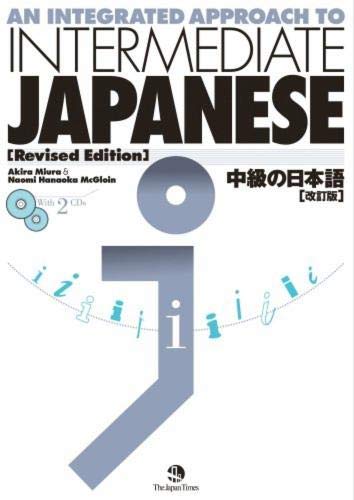
An Integrated Approach takes a more traditional academic path. The textbook divides content into 20 carefully structured lessons that systematically build skills. Each lesson follows a predictable format: dialogue, vocabulary, grammar explanations, practice exercises, and cultural notes.
The book's strength lies in its methodical progression. Difficulty increases gradually, with each lesson building logically on previous content. Grammar explanations are detailed and linguistically precise, appealing to learners who appreciate systematic understanding. The extensive drill exercises reinforce patterns through repetition.
An Integrated Approach particularly excels in academic settings. University courses favor its structured approach, which allows predictable lesson planning and assessment. The comprehensive exercises work well for homework assignments, and the incremental difficulty prevents students from becoming overwhelmed.
However, the academic focus can feel dry compared to Tobira's engaging cultural content. Dialogues and readings, while pedagogically sound, lack the authenticity and cultural depth that make Japanese come alive. The book teaches you the mechanics of intermediate Japanese but doesn't necessarily inspire passion for the language.
Making Your Intermediate Choice
Your textbook choice should align with your learning context and goals.
For self-studiers and motivated learners who want to engage with authentic Japanese, Tobira provides richer, more inspiring content. The cultural readings and real-world focus prepare you not just for tests but for actual use of Japanese. If you're willing to tackle challenging material and perhaps seek occasional clarification from tutors or online resources, Tobira's rewarding approach accelerates your progress toward advanced proficiency.
For classroom learners or those who prefer systematic, incremental study, An Integrated Approach offers reliable structure. The methodical progression and comprehensive exercises provide the framework academic settings require. If you learn best with clear, predictable patterns and extensive guided practice, this textbook delivers solid intermediate skills.
Many intermediate learners actually benefit from using both books strategically: An Integrated Approach for structured grammar mastery, and Tobira for authentic reading practice and cultural enrichment. The intermediate stage is long enough to work through multiple resources, and combining approaches builds both systematic knowledge and practical skills.
Whichever you choose, remember that intermediate level requires extensive input beyond textbooks. Supplement with extensive reading, Japanese media, and conversation practice. Textbooks provide structure and systematic learning, but immersion builds the fluency that makes Japanese feel natural rather than studied.
Which Book Is Right for You?
Find the perfect match based on your specific learning situation.
You want to learn Japanese culture alongside language
Tobira integrates cultural content into every chapter, teaching language through authentic cultural contexts.
View Tobira: Gateway to Advanced JapaneseYou prefer systematic, academic-style learning
An Integrated Approach provides methodical progression with comprehensive grammar explanations.
View An Integrated Approach to Intermediate JapaneseYou're a motivated self-studier ready for challenges
Tobira's engaging content and authentic readings inspire continued self-study despite initial difficulty.
View Tobira: Gateway to Advanced JapaneseYou're using this textbook in a university course
An Integrated Approach's structured format aligns perfectly with academic course requirements.
View An Integrated Approach to Intermediate JapaneseYou want to prepare for reading authentic Japanese materials
Tobira uses real newspaper articles, essays, and informational texts that mirror actual Japanese media.
View Tobira: Gateway to Advanced JapaneseYou just finished N4 and want gradual progression
The gentle difficulty curve helps you transition from beginner to intermediate without overwhelm.
View An Integrated Approach to Intermediate JapaneseYou're preparing specifically for JLPT N3
Tobira covers N3 grammar comprehensively while building reading skills critical for test success.
View Tobira: Gateway to Advanced JapaneseYou learn best with extensive practice exercises
An Integrated Approach provides abundant drills and structured practice for each grammar point.
View An Integrated Approach to Intermediate JapaneseExplore More Book Comparisons
Compare more JLPT books to find the perfect study materials for your journey.