
Best JLPT Kanji Books - Complete Guide
Master kanji characters with expert-recommended study materials
What are the best JLPT kanji books?
- N5-N4: Kanji Look and Learn (visual mnemonics with illustrated stories), Genki Kanji workbooks with integrated practice
- N3-N1: Shin Kanzen Master Kanji (comprehensive JLPT coverage with reading strategies and compound vocabulary)
- Alternative Method: Remember the Kanji I & II by Heisig (systematic mnemonic method covering all jouyou kanji)
- Practice: Dedicated kanji workbooks with stroke order practice, writing drills, and compound exercises
- Radical Method: Kodansha Kanji Learner's Course organizing kanji by graphical components
- All books include multiple readings (on-yomi and kun-yomi), core meanings, and extensive example vocabulary
- Integrate kanji books with vocabulary books for learning words in their kanji forms
Why Matters for JLPT
Kanji mastery is crucial for JLPT success and Japanese literacy, forming the foundation for reading comprehension and vocabulary knowledge. Each level requires specific kanji knowledge: N5 (100 kanji), N4 (300 kanji), N3 (650 kanji), N2 (1,000 kanji), and N1 (2,136 jouyou kanji plus additional characters). Understanding kanji goes beyond simple recognition - it requires knowing stroke order for proper writing, multiple readings (on-yomi Chinese readings and kun-yomi Japanese readings), core meanings and nuances, common compounds and collocations, radicals and components for systematic learning. The best kanji books employ proven memory techniques including visual mnemonics, etymological explanations, systematic radical-based organization, and extensive practice with authentic vocabulary. Effective kanji study integrates with vocabulary learning, as most vocabulary words use kanji, and supports reading comprehension skills.
JLPT Kanji Books Comparison Guide
| Method | Book | Readings Taught | Mnemonics | Best For |
|---|---|---|---|---|
| Integrated | Genki, Tobira kanji sections | Yes, with vocab | Limited | Learners using these textbooks |
| JLPT-Focused | Shin Kanzen Master Kanji | Yes, comprehensive | Some | Test-focused study by level |
| Mnemonic | Remember the Kanji (Heisig) | No (meanings only) | Extensive | Systematic learners, memory focus |
| Visual | Kanji Look and Learn | Yes, with vocab | Illustrated stories | Visual learners, N5-N4 |
| Radical-Based | Kodansha Kanji Course | Yes, detailed | Component-based | Systematic learners wanting depth |
Recommended Books ()
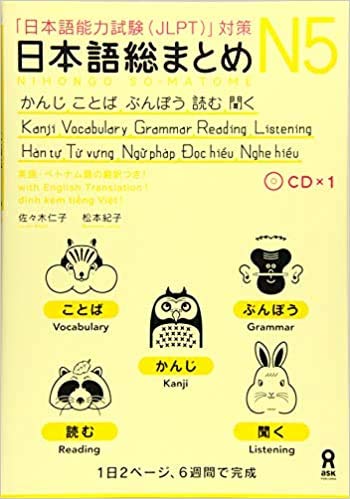
Nihongo So-Matome JLPT N5
By Nihongo So-Matome Series
All-in-one 6-week program covering vocabulary, grammar, kanji, reading, and listening tailored for JLPT N5.

Basic Kanji Book Vol.1
By Chieko Kano et al.
Classic kanji primer introducing 250 fundamental characters with stroke order, readings, and practice exercises—perfect for N5/N4 kanji.

Basic Kanji Book Vol.2
By Chieko Kano et al.
Second volume covering 250 additional kanji characters essential for N4 level.
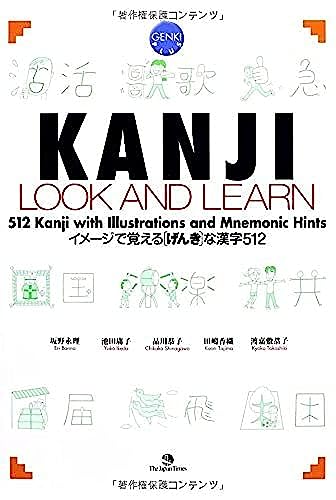
Kanji Look and Learn
By Eri Banno, Yoko Ikeda
Visual approach to learning 512 kanji through illustrations and mnemonics. Perfect companion to Genki textbooks.
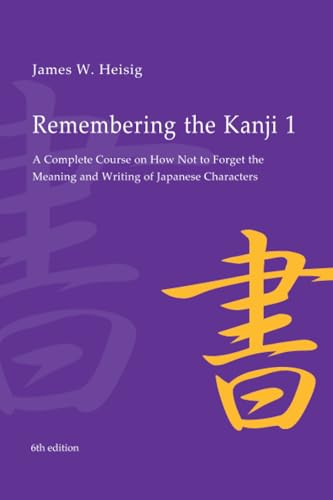
Remembering the Kanji 1
By James W. Heisig
Revolutionary method for learning 2,200 kanji through imaginative stories. Focus on meaning before readings.
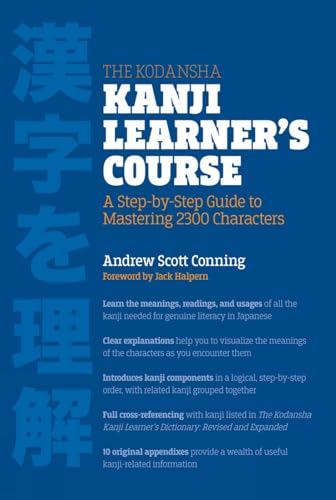
The Kodansha Kanji Learner's Course
By Andrew Scott Conning
Systematic approach to 2,300 kanji with mnemonics, stroke order, and vocabulary. Modern alternative to Heisig.

Nihongo So-Matome N5
By Hitoko Sasaki, Noriko Matsumoto
Comprehensive JLPT N5 preparation covering grammar, vocabulary, kanji, reading, and listening in one convenient book.
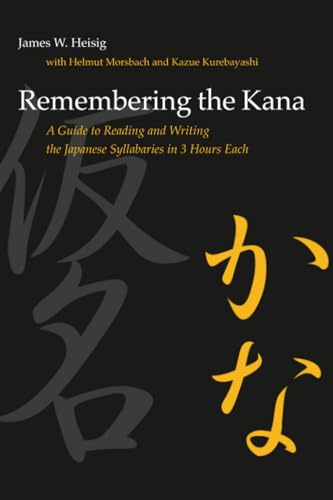
Remembering the Kana
By James W. Heisig
Learn all hiragana and katakana in just 3 hours using imaginative memory techniques. Perfect foundation for kanji study.

JLPT N5 Vocabulary Word List
By Clay Boutwell, Yumi Boutwell
Complete N5 vocabulary with example sentences, kanji readings, and English translations. Pocket-sized for study anywhere.
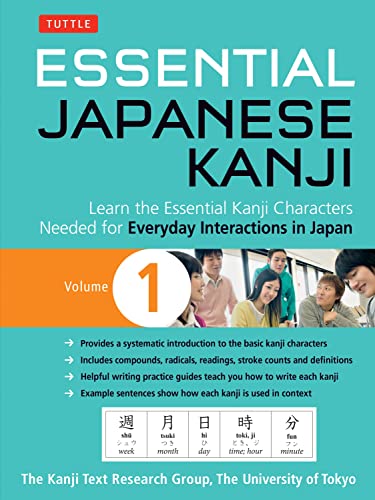
Essential Japanese Kanji Volume 1
By University of Tokyo Kanji Research Group
410 essential kanji for N5-N4 level. Includes stroke order, compounds, and memory tips.

Nihongo So-Matome N2 Kanji
By Hitoko Sasaki, Noriko Matsumoto
Master N2 kanji in 8 weeks. Organized by meaning groups for easier memorization.
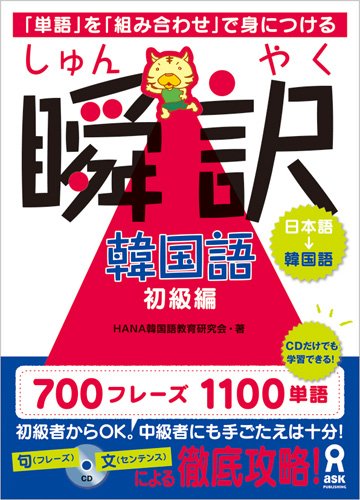
Nihongo So-Matome N1 Kanji
By Hitoko Sasaki, Noriko Matsumoto
Master 2000+ kanji for N1. Organized by frequency and semantic groups.

Shin Kanzen Master N5 Kanji and Vocabulary Sprint
By Yukari Honda, Kanae Maebo, Yuko Sugawara, Yuko Seki
This N5 kanji and vocabulary sprint book is best used as a focused final-review layer, not as your only vocabulary source. Its value is in forcing quick recognition of beginner words, kanji forms, readings, and small meaning differences that become easy to confuse during the language-knowledge section. The book fits learners who have already met the words in a textbook or flashcard deck and now need exam-style retrieval, especially for common nouns, verbs, adjectives, dates, counters, classroom words, shopping terms, and everyday action vocabulary.